Water, on purpose
Strong evidence
The only home measure with randomized-trial support for preventing recurrence is higher fluid intake. It is also the main thing you can do while a small stone is moving. Pale urine. Marked bottle. No contest.
Kitchen and tradition
Home care is not the enemy of science. Unlabeled claims are. Below, each remedy gets an evidence grade so lemon water and “olive oil flushes” are not asked to carry the same weight.
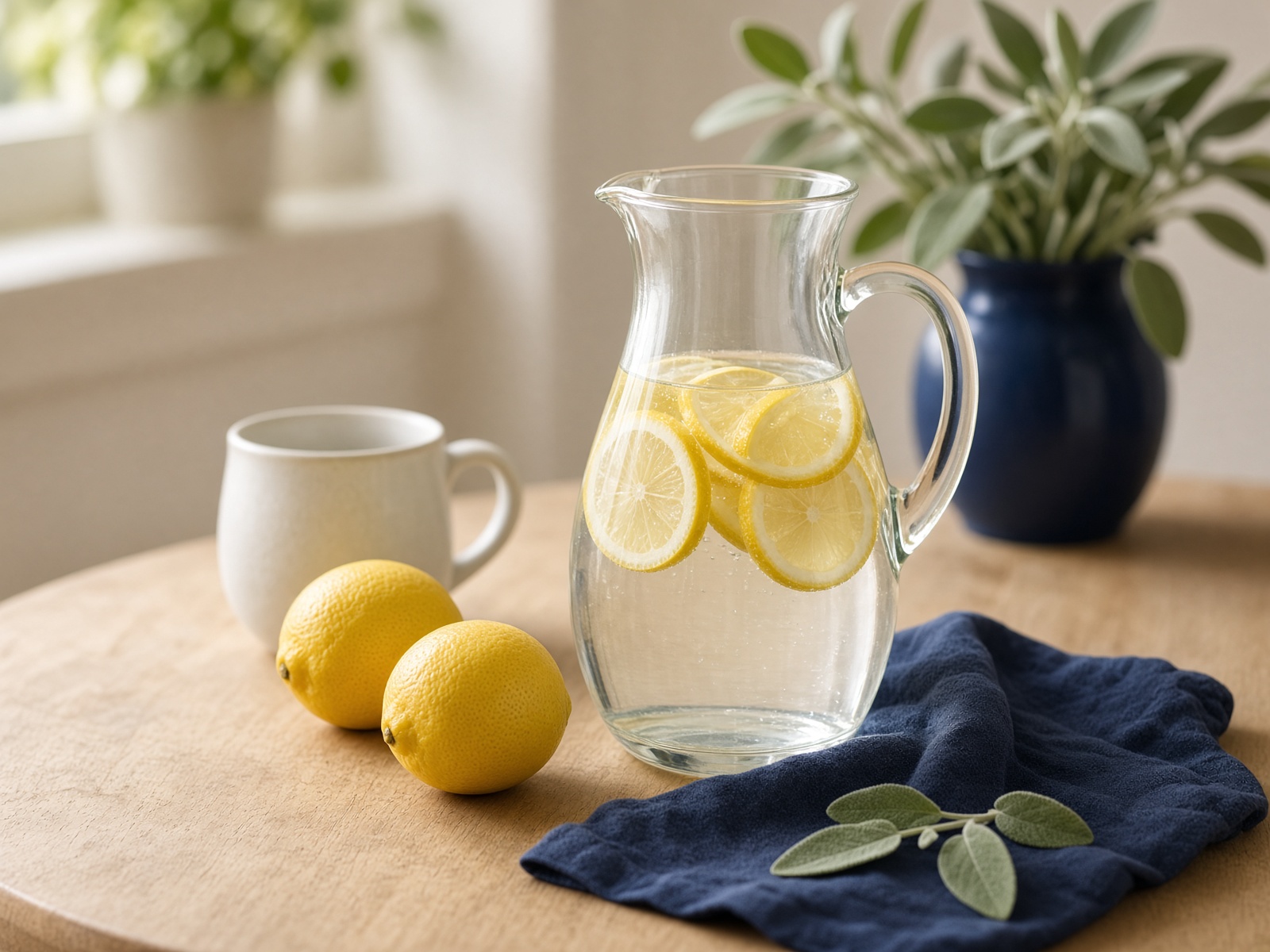
The only home measure with randomized-trial support for preventing recurrence is higher fluid intake. It is also the main thing you can do while a small stone is moving. Pale urine. Marked bottle. No contest.
Citrate is a real inhibitor. Lemon juice raised urinary citrate in a small three-arm study of hypocitraturic calcium-stone formers (about 85 mL of juice daily). Orange juice also contributes citrate but brings more sugar. This is prevention chemistry, not a guarantee that a 7 mm ureteral stone will dissolve overnight.
Heating pads and hot-water bottles treat colic the way they treat menstrual cramps: muscle relaxation and distraction. Safe if you protect the skin. Irrelevant to crystal structure.
Ibuprofen is not folk medicine; it is first-line analgesia for renal colic when kidneys and stomach allow it. It is listed here because people already have it at home.
Magnesium can bind oxalate in the intestine. Food sources and citrate salts are reasonable adjuncts. High-dose magnesium gives most people diarrhea before it gives them a stone-free scan.
The internet treats ACV like a solvent. Acetic acid is not urinary citrate. Human evidence that ACV dissolves a lodged calcium stone is thin. A splash in food is harmless for most people; a straight-shot protocol is hard on enamel and the esophagus and still unproven.
The plant’s common name means “stone breaker.” Small studies — some after shock-wave lithotripsy — suggest it may help fragments move. It is not a replacement for a ureteroscope when the kidney is blocked. Buy a labeled product and tell your clinician you take it.
These show up in every home-remedy list. Some have antioxidant or diuretic folklore. None have the kind of trial that should delay imaging or a procedure. If a tea helps you drink more water, the water is the active ingredient.
A folk protocol that mostly produces oily stools and false hope. There is no mechanism by which a cup of oil dissolves calcium oxalate in the ureter. Skip it.
Lemon juice is a practical food source of citrate. Studies used roughly 85 mL (about 1/3 cup) of lemon juice per day, diluted.
View on AmazonTwo lemons a day in water is the Harvard-cited kitchen version of citrate therapy.
View on AmazonPopular home remedy. Acetic acid is not the same as urinary citrate. Evidence that ACV dissolves stones in people is weak — use it as a salad dressing, not a protocol.
View on AmazonAmazonian herb whose name means “stone breaker.” Small clinical studies suggest it may ease fragment passage after lithotripsy; it is not proven to dissolve a lodged stone.
View on AmazonMagnesium may lower urinary oxalate slightly. Also treats the constipation that pain meds cause while you wait a stone out.
View on AmazonHands-free heat for the flank when you cannot sit still with a loose pad.
View on AmazonProduct links go to Amazon using associate tag kidneystonestruggle-20. I may earn a commission if you buy. I only list items that match a recommendation on the page — strainers, heat, water bottles, citrate, kitchen tools — not random “kidney cleanse” junk.